Popular Frozen Protein Recipes on Pinterest – Simple, Make-Ahead Ideas You’ll Actually Use
Pinterest has made frozen protein recipes a weeknight hero. If you’re juggling work, workouts, and family dinners, having grab-and-go protein in your freezer is a game changer. Think protein-packed breakfasts, post-gym bites, and quick dinners that don’t taste like leftovers. This guide captures Pinterest-style favorites and shows you how to make a reliable, freezer-friendly base recipe with easy variations. You’ll get a clear ingredient list, step-by-step instructions, smart storage tips, and common pitfalls to avoid. Keep it simple, keep it tasty, and keep it ready to go.
What Makes This Recipe So Good
Popular frozen protein recipes on pinterest – Popular Frozen Protein Recipes on Pinterest – Simple, Make-Ahead Ideas You’ll Actually Use Pinterest
- Freezer-friendly and flexible: The base recipe adapts to muffins, bites, bars, bowls, and casseroles, so you can batch-cook once and eat all week.
- High protein, low fuss: Uses simple, accessible ingredients—no fancy powders required (though you can add them if you like).
- Balanced and customizable: Pick your protein (chicken, turkey, tofu, cottage cheese, Greek yogurt, beans), then layer flavors you love.
- Kid-friendly options: Mild flavors and handheld formats keep everyone happy.
- Budget-smart: Uses frozen veggies, pantry staples, and bulk proteins to stretch your dollar.
Ingredients
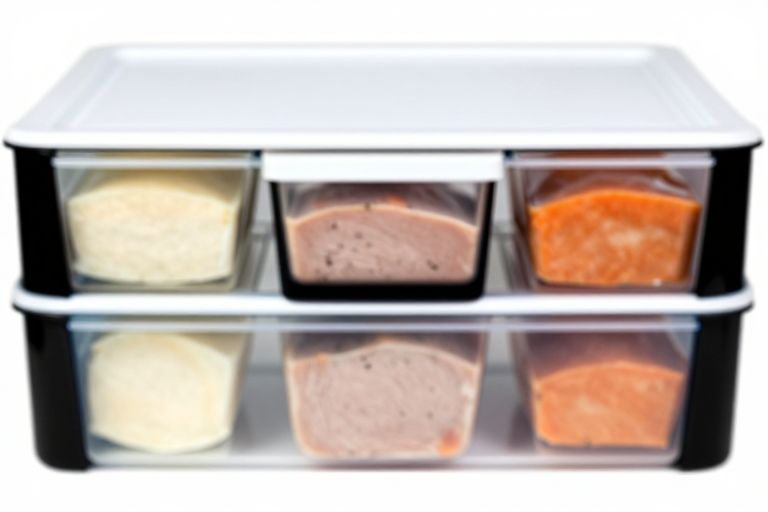
Popular frozen protein recipes on pinterest – If you’re juggling work, workouts, and family dinners, having grab-and-go protein in your freezer is
Use this flexible list to create a base batch of frozen protein muffins or bites. Swap as needed using the alternatives section.
- Protein: 1 lb ground turkey or chicken (or 1 lb extra-firm tofu, crumbled; or 2 cups cooked shredded chicken; or 2 cups black beans, rinsed)
- Binder: 2 large eggs (or 1/2 cup egg whites; or 2 tablespoons ground flax + 5 tablespoons water)
- Creamy protein boost (optional but recommended): 1 cup low-fat cottage cheese or plain Greek yogurt
- Veggies: 2 cups finely chopped mixed veggies (frozen mirepoix, spinach, bell pepper, zucchini, broccoli rice)
- Carb add-in (optional): 1/2 cup cooked quinoa, oats, or brown rice
- Cheese (optional): 1/2 cup shredded cheddar, mozzarella, or Parmesan
- Seasoning base: 1 teaspoon garlic powder, 1 teaspoon onion powder, 1 teaspoon smoked paprika, 1 teaspoon dried Italian herbs
- Salt and pepper: 1–1.5 teaspoons kosher salt, 1/2 teaspoon black pepper
- Moisture/texture: 1–2 tablespoons olive oil (skip if using higher-fat meat)
- Optional flavor boosts: 2 tablespoons pesto or buffalo sauce; or 1 tablespoon soy sauce + 1 teaspoon sesame oil; or 2 tablespoons salsa
- Nonstick help: Cooking spray or muffin liners
Instructions
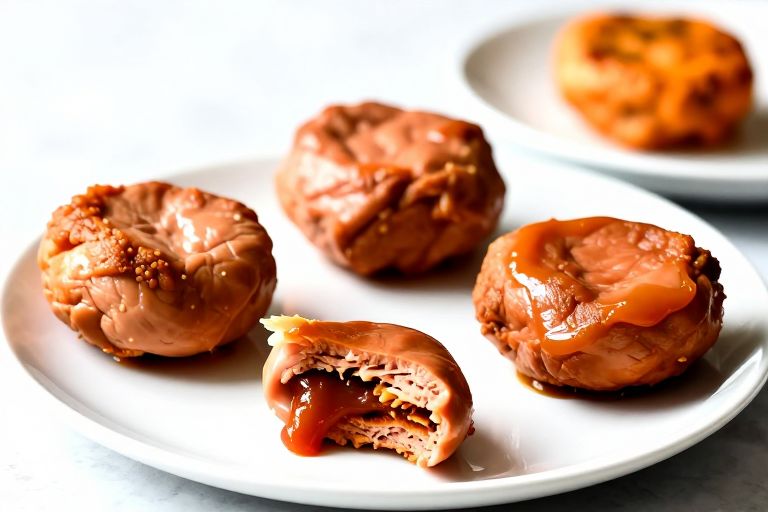
Popular frozen protein recipes on pinterest – Think protein-packed breakfasts, post-gym bites, and quick dinners that don’t taste like leftovers
- Prep your pan: Heat oven to 375°F (190°C). Spray a 12-cup muffin tin or line with silicone/foil liners.
- Sauté veggies (optional but best for texture): In a nonstick skillet, warm 1 tablespoon olive oil. Cook chopped veggies with a pinch of salt for 3–5 minutes until just soft. Let cool slightly.
- Mix the base: In a large bowl, add your protein, eggs, cottage cheese/yogurt, seasonings, and any optional flavor boosts. Stir in cooled veggies, cheese, and carb add-in if using. The mixture should be thick but scoopable.
- Portion: Divide evenly into the muffin tin, packing each cup to remove air pockets. You should fill 10–12 cups.
- Bake: Cook 18–24 minutes, until the tops are lightly golden and the centers reach 165°F (74°C) for meat-based mixes. For vegetarian versions, bake until set and lightly browned.
- Cool completely: Let them rest in the pan 5 minutes, then transfer to a rack. Cooling prevents excess condensation in storage.
- Freeze: Place cooled muffins on a parchment-lined sheet and freeze until solid, 1–2 hours. Then transfer to a labeled freezer bag or airtight container.
- Reheat: Microwave 45–75 seconds from frozen, or bake at 350°F (175°C) for 10–15 minutes. Add a splash of water and cover loosely for extra moisture.
Keeping It Fresh
- Label everything: Include the date and flavor profile. Most batches keep well for 2–3 months in the freezer.
- Prevent freezer burn: Wrap each muffin in parchment or use silicone liners. Store in a heavy-duty freezer bag with air pressed out.
- Avoid sogginess: Cool completely before freezing. Reheat uncovered or with a paper towel to absorb steam.
- Portion smart: Freeze in 2–4 piece portions so you’re not thawing more than you need.
- Fridge window: In the fridge, they keep 3–4 days. If you won’t eat them by then, freeze them.
Benefits of This Recipe
- Protein first: Each muffin typically lands around 10–15 grams of protein depending on ingredients and size.
- Meal prep win: Bake once, eat many times—perfect for breakfast, lunchboxes, or pre/post-workout fuel.
- Balanced nutrition: Protein + fiber from veggies and optional grains keeps you full and steady.
- Endless flavors: Spin one base into multiple themes in a single tray—half pesto, half salsa, for example.
- Kid and commuter friendly: No utensils needed, and they reheat fast.
Pitfalls to Watch Out For
- Too wet or too dry: Watery veggies or extra sauces can loosen the mix. If it’s runny, add 2–3 tablespoons oats or cooked quinoa to tighten. If it’s dry, stir in 2 tablespoons yogurt.
- Underseasoning: Frozen dishes need bolder seasoning. Taste a tiny cooked portion from a skillet and adjust salt/spices before baking.
- Skipping the cool-down: Trapped steam leads to soggy texture and ice crystals. Cool fully before freezing.
- Uneven cooking: Pack the cups evenly and don’t overfill. Use a thermometer to hit safe temps for meats.
- Rubbery reheat: Reheat at moderate power (70–80% in the microwave) and don’t overdo it.
Alternatives
- Breakfast Egg Muffins: Swap meat for 8–10 eggs + 1 cup egg whites. Stir in spinach, peppers, and a little cheddar. Bake 16–20 minutes.
- Buffalo Chicken Bites: Use shredded chicken + Greek yogurt + buffalo sauce + green onion. Serve with celery and a drizzle of ranch after reheating.
- Tofu Veggie Cups: Crumbled extra-firm tofu + soy sauce + sesame oil + broccoli rice + carrots + ginger. Top with a sprinkle of sesame seeds.
- Turkey Pizza Muffins: Ground turkey + Italian herbs + mozzarella + mini pepperoni + a spoon of marinara on top before baking.
- Bean and Quinoa Bites: Black beans + cooked quinoa + corn + cumin + chili powder. Serve with salsa or guacamole.
- Cottage Cheese Pancake Bars (Freezer-Friendly): Blend 1 cup cottage cheese, 1 cup oats, 3 eggs, 1 banana, 1 teaspoon vanilla, 1 teaspoon baking powder. Pour into a lined 8×8 pan, bake 18–22 minutes at 375°F. Freeze squares for protein breakfasts.
- Greek-Inspired Chicken Cups: Ground chicken + oregano + garlic + chopped spinach + feta. Serve with lemony yogurt after reheating.
FAQ
Can I add protein powder?
Yes, but use unflavored or savory-friendly powder. Start with 1/4 cup and add a bit more yogurt or water if the mix gets too thick. Taste and adjust salt—you’ll likely need a pinch more.
How do I prevent the muffins from sticking?
Use silicone liners or a well-greased nonstick pan. Let them cool 5 minutes before removing, then loosen edges with a thin spatula. Silicone is the most reliable for repeated batches.
What’s the best way to reheat without drying them out?
Microwave at 70–80% power for 45–75 seconds with a damp paper towel on top. In the oven, cover loosely with foil and reheat at 350°F for 10–15 minutes.
Can I skip dairy?
Absolutely. Replace cottage cheese or yogurt with an extra egg or 2 tablespoons olive oil for moisture. For flavor and richness, add a spoon of hummus or mashed avocado after reheating.
How long do they last in the freezer?
They stay at their best for 2–3 months if wrapped well. After that, they’re still safe but may lose texture and flavor. Label the bag so you remember the timeline.
What proteins work best for kids?
Mild ground turkey or shredded chicken with simple seasonings is a safe bet. Add small amounts of cheese and finely chopped veggies to keep the texture smooth and familiar.
Can I air-fry them from frozen?
Yes. Heat the air fryer to 320°F (160°C), place muffins in a single layer, and cook 6–10 minutes, checking halfway. Lower heat helps avoid a dry exterior.
What if my mix collapses after baking?
It happens when there’s too much moisture or not enough binder. Next time, sauté watery veggies first, add a bit more egg or oats, and bake until fully set with light browning on top.
In Conclusion
Frozen protein recipes trending on Pinterest are popular for a reason—they’re easy, flexible, and genuinely useful on busy days. With this base recipe and a few smart tweaks, you can create savory muffins or bites that fit your taste and schedule. Keep your seasoning confident, cool them before freezing, and stash a few flavor variations in the same tray. You’ll have quick, satisfying meals ready whenever life gets loud. Simple prep now, reliable protein later—that’s a win every time.
Printable Recipe Card
Want just the essential recipe details without scrolling through the article? Get our printable recipe card with just the ingredients and instructions.