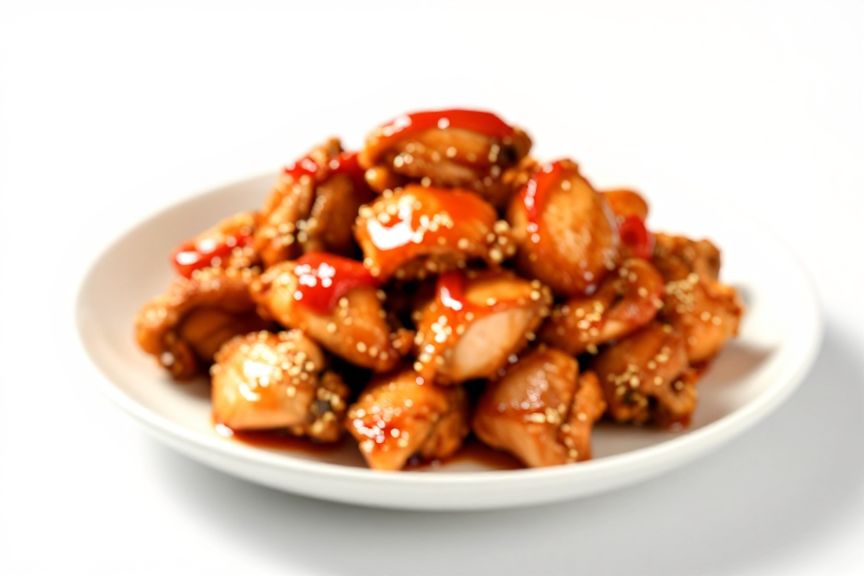
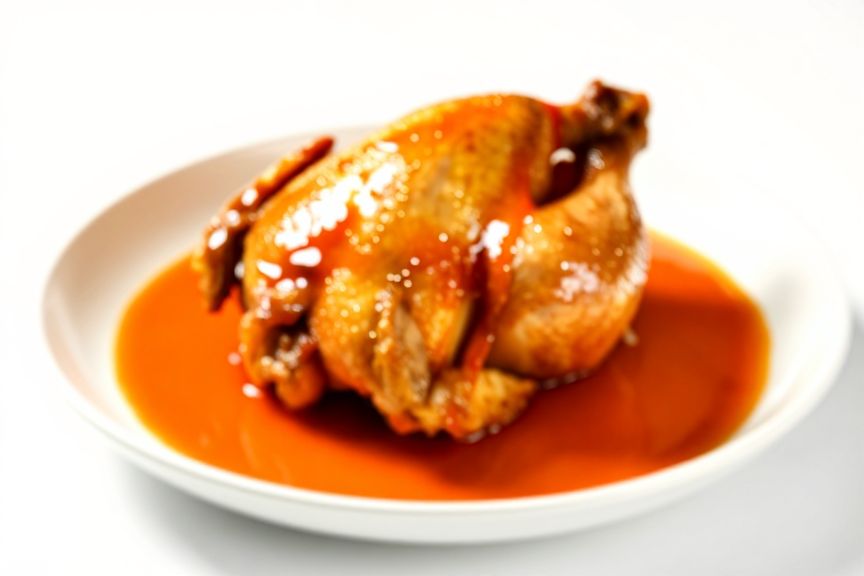
Meat & Seafood For Weeknight Cooking – Fast, Flavorful, and Flexible
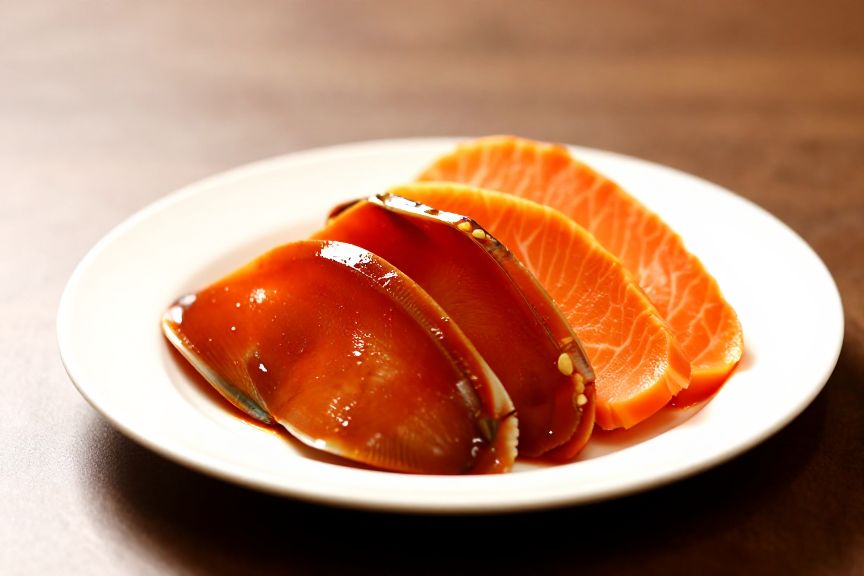
Weeknight cooking doesn’t need to be complicated or bland. With a few smart techniques and the right ingredients, you can get flavorful meat and seafood on the table in under 30 minutes. This guide focuses on simple methods, balanced flavors, and easy swaps. Whether you’re feeding a family or cooking for one, these tips will help you plan a meal that tastes like a treat without taking over your evening.
What Makes This Special

Meat & seafood for weeknight cooking – Meat & Seafood For Weeknight Cooking – Fast, Flavorful, and Flexible Weeknight cooking doesn’t need
This approach is built around speed and versatility. Think quick marinades, high-heat cooking, and pantry-ready sauces that work for both meat and seafood. You’ll choose a base protein, pair it with a bright sauce or spice blend, and finish it with a fresh element like lemon, herbs, or a crunchy topping.
It’s also budget-friendly. Cheaper cuts like chicken thighs, pork tenderloin, shrimp, and canned tuna can taste impressive with minimal effort. And everything here uses simple steps you can repeat all week long.
Ingredients
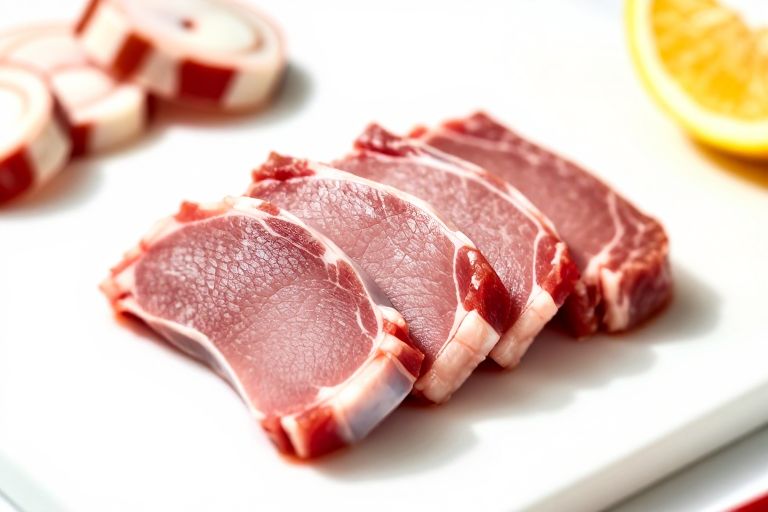
Meat & seafood for weeknight cooking – With a few smart techniques and the right ingredients, you can get flavorful meat and seafood on the
- Proteins: 1 lb chicken thighs (boneless, skinless), 1 lb salmon fillets or cod, 1 lb shrimp (peeled and deveined), or 1 lb pork tenderloin
- Neutral oil: avocado, canola, or light olive oil
- Acid: lemons and limes, or rice vinegar
- Aromatics: garlic, ginger, scallions, shallots
- Spices: smoked paprika, chili flakes, cumin, black pepper, garlic powder
- Herbs: parsley, cilantro, dill, or basil
- Pantry sauces: soy sauce or tamari, Dijon mustard, honey or maple syrup, hot sauce, mayonnaise, yogurt
- Optional add-ins: capers, olives, cherry tomatoes, butter, sesame oil
- Sides: pre-cooked rice or grains, quick-cook noodles, bagged salad greens, frozen peas or broccoli
Instructions
Meat & seafood for weeknight cooking – This guide focuses on simple methods, balanced flavors, and easy swaps
- Choose your protein: Select chicken thighs, salmon, shrimp, or pork tenderloin. Aim for 4-ounce portions per person. Pat dry with a paper towel to help browning.
- Season simply: Sprinkle salt, pepper, and a main spice (like smoked paprika or cumin). For seafood, go lighter on the salt if using soy-based sauces later.
- Make a quick sauce or marinade: Stir together 2 tbsp soy sauce, 1 tbsp honey, 1 tsp Dijon, 1 tsp grated garlic, and 1 tsp rice vinegar. Alternatively, mix 2 tbsp yogurt, 1 tsp lemon zest, 1 tsp olive oil, and a pinch of chili flakes for a creamy finish.
- Heat the pan: Use a large skillet over medium-high. Add 1–2 tbsp oil and let it shimmer. A hot pan gives you that golden crust fast.
- Cook the protein:
- Chicken thighs: 5–6 minutes per side until browned and cooked through (165°F internal).
- Pork tenderloin: Cut into medallions and sear 3–4 minutes per side (145°F internal, slightly pink is fine).
- Salmon fillets: 3–4 minutes skin-side down, 2–3 minutes on the other side (medium is ideal).
- Shrimp: 2–3 minutes per side until just pink and curled.
- Glaze or toss: In the final minute, pour in your sauce. Let it bubble and coat the protein. For yogurt-based sauces, remove from heat first to avoid curdling.
- Add brightness: Squeeze lemon or lime over the top. Sprinkle chopped herbs, scallions, or a pinch of chili flakes for a quick lift.
- Build the plate: Serve over rice, noodles, or a bed of greens. Add a fast side like sautéed broccoli, blistered tomatoes, or a simple cucumber salad.
- Finish with texture: A small pat of butter on hot salmon, toasted sesame seeds on shrimp, or crushed croutons over chicken adds satisfying crunch and richness.
- Taste and adjust: Add a dash of soy, a drizzle of olive oil, or more lemon to balance salt, fat, acid, and heat. Keep it simple and trust your palate.
Keeping It Fresh
For quick weeknights, use a flexible plan. Keep one protein in the fridge and one in the freezer. Shrimp and salmon thaw fast under cold running water. Chicken thighs last well for a couple of days when stored in their packaging on a plate.
Batch-prep sauce components. Mince garlic and ginger, then store in a small jar with a spoonful of oil. Mix a small jar of a “house sauce” (soy, honey, vinegar) for the week. Fresh herbs last longer if wrapped in a damp paper towel and stored in a bag.
Health Benefits
- Lean proteins: Chicken, shrimp, and fish offer high-quality protein with less saturated fat than many red meats.
- Omega-3s: Salmon and some white fish provide heart-friendly fats that support brain and cardiovascular health.
- Smart cooking methods: Quick searing and pan-roasting use less oil than deep frying and help preserve nutrients.
- Balanced plates: Pairing protein with fiber-rich sides like greens, brown rice, or beans keeps you full and steady in energy.
Common Mistakes to Avoid
- Overcrowding the pan: This steams the food and blocks browning. Cook in batches if needed.
- Skipping the pat-dry step: Moisture prevents caramelization. Dry surfaces brown faster and taste better.
- Overcooking seafood: Shrimp turn rubbery fast, and salmon dries out. Pull them off the heat as soon as they’re opaque and just firm.
- Adding yogurt to high heat: It can split. Stir in off heat or use cream/stock for hot pan sauces.
- Under-seasoning: Salt travels with fat and heat. Season early, taste often, and finish with lemon or vinegar for balance.
Recipe Variations
- Lemon Herb Salmon: Season with salt, pepper, and dill. Sear in olive oil, finish with lemon zest, capers, and a small pat of butter. Serve with steamed green beans and rice.
- Garlic Chili Shrimp: Toss shrimp with garlic, chili flakes, and a little honey. Sear quickly. Finish with lime and chopped cilantro. Great over coconut rice or a crunchy cabbage slaw.
- Smoky Paprika Chicken: Rub thighs with smoked paprika, cumin, and garlic powder. Sear, then glaze with a mix of Dijon and honey. Serve with roasted potatoes or a tomato-cucumber salad.
- Soy-Ginger Pork Medallions: Sear pork rounds, then deglaze with soy, ginger, and a splash of rice vinegar. Add a drizzle of sesame oil at the end. Pair with sautéed snap peas and noodles.
- Sheet Pan Option: For minimal cleanup, toss protein and vegetables with oil and seasoning. Roast at 425°F. Chicken thighs: 20–25 minutes. Salmon: 10–12 minutes. Shrimp: 6–8 minutes (add halfway through).
- Five-Minute Tuna Bowls: Use canned tuna mixed with a little mayo, Dijon, lemon, and capers. Serve over warm rice with cucumbers, avocado, and chili oil.
FAQ
How do I know when my salmon is done?
Salmon is medium when it flakes easily and is just opaque in the center. You can also use a thermometer: around 125–130°F for medium. Pull it off heat a minute early; it will finish cooking as it rests.
What’s the best oil for high-heat searing?
Use oils with higher smoke points like avocado, canola, or grapeseed. Extra-virgin olive oil can work at medium heat, but it may smoke at higher temperatures.
Can I use frozen seafood?
Yes. Thaw shrimp or fish under cold running water or overnight in the fridge. Pat very dry before cooking to avoid steaming and to help browning.
How can I make this spicy without overwhelming the dish?
Add heat in layers: a pinch of chili flakes during cooking, then finish with a mild hot sauce. This gives warmth without blowing out the flavors.
What sides cook fast and go with everything?
Microwave rice packs, couscous, or soba noodles are quick. For vegetables, sautéed broccoli, wilted spinach with garlic, or a simple salad with lemon and olive oil all work well.
How do I keep chicken juicy?
Use thighs instead of breasts for more forgiveness. Don’t overcook; 165°F internal is your target. Let it rest for a few minutes before slicing to keep the juices in.
Can I meal prep with seafood?
Seafood is best fresh, but you can prep components. Make sauces, chop aromatics, and pre-cook grains. If you must cook ahead, choose salmon and eat it within 1–2 days, reheating gently or serving cold over salads.
What if I don’t have fresh herbs?
Dried herbs work in the seasoning step, but use them sparingly. For brightness at the end, lean on lemon zest, a splash of vinegar, or thinly sliced scallions.
Final Thoughts
Weeknight meat and seafood don’t need to be fancy to be satisfying. With a hot pan, a short list of pantry staples, and a fresh finish, you can turn simple proteins into fast, flavorful dinners. Keep your method consistent, swap sauces and herbs, and you’ll have a reliable routine that still feels exciting. When time is tight, a little heat, acid, and seasoning go a long way.
Printable Recipe Card
Want just the essential recipe details without scrolling through the article? Get our printable recipe card with just the ingredients and instructions.