Meal Prep Sides Made Easy – Simple, Flavorful, and Ready for the Week
Meal prep doesn’t have to mean eating the same boring thing every day. Smart sides can make any basic protein feel new and satisfying, without a lot of extra work. With a few simple techniques and pantry staples, you can batch-cook sides that hold up, reheat well, and taste great all week. Think roasted vegetables that stay crisp-tender, hearty grains that don’t dry out, and bright sauces that pull everything together. This guide gives you a flexible plan and an easy set of recipes you can mix and match.
Why This Recipe Works
Meal prep sides made easy – Meal Prep Sides Made Easy – Simple, Flavorful, and Ready for the Week Meal prep doesn’t have to mean
- Batch-friendly techniques: Roasting, steaming, and quick sautéing are easy to scale and consistently deliver good texture.
- Make-once, use-many times: These sides pair with chicken, tofu, salmon, eggs, or beans, so you can change the main without changing your prep.
- Bold, simple flavors: Fresh herbs, citrus, garlic, and a couple of spice blends turn basic ingredients into week-long staples.
- Storage-savvy: Each component is chosen to keep well for 4–5 days with minimal loss of flavor or texture.
Ingredients
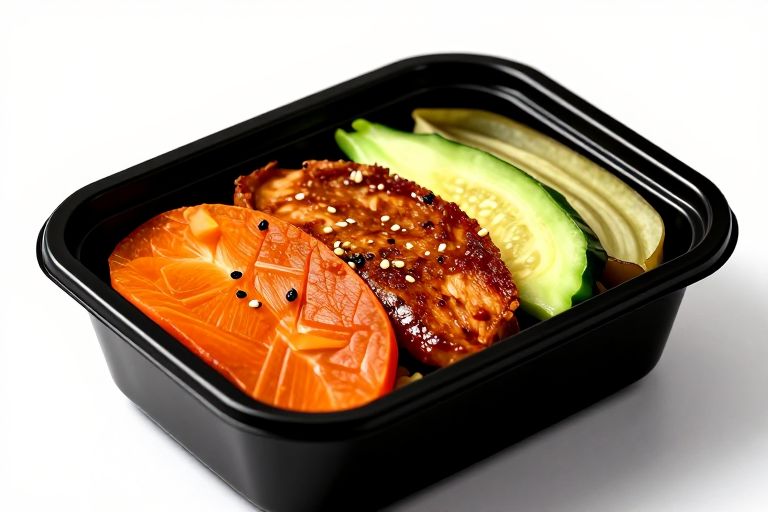
Meal prep sides made easy – Smart sides can make any basic protein feel new and satisfying, without a lot of extra work
Roasted Vegetable Mix (Base)
- 3 cups broccoli florets
- 3 cups cauliflower florets
- 2 cups carrots, sliced on a bias
- 2 red bell peppers, sliced
- 2 tablespoons olive oil
- 1 teaspoon smoked paprika
- 1 teaspoon garlic powder
- 1 teaspoon kosher salt
- 1/2 teaspoon black pepper
Hearty Grain Pilaf
- 1 cup dry quinoa (or farro, brown rice, or couscous)
- 2 cups low-sodium broth or water
- 1 tablespoon olive oil
- 1 small onion, finely chopped
- 1 clove garlic, minced
- 1/2 teaspoon ground cumin
- 1/2 teaspoon dried oregano
- 1/2 teaspoon salt (adjust to taste)
Quick Lemon-Herb Chickpeas
- 2 cans chickpeas, drained and rinsed
- 2 tablespoons olive oil
- Zest and juice of 1 lemon
- 1 teaspoon dried parsley (or 1/4 cup fresh, chopped)
- 1/2 teaspoon red pepper flakes (optional)
- 1/2 teaspoon salt
Creamy Yogurt Herb Sauce
- 1 cup plain Greek yogurt
- 1 tablespoon olive oil
- 1 tablespoon lemon juice
- 1 tablespoon chopped dill or cilantro
- 1 small garlic clove, grated
- Salt and pepper to taste
Optional Add-Ons
- Crumbled feta or grated Parmesan
- Toasted nuts or seeds (almonds, pumpkin seeds, sesame)
- Fresh herbs (cilantro, parsley, basil)
- Lime wedges or hot sauce
Instructions
Meal prep sides made easy – With a few simple techniques and pantry staples, you can batch-cook sides that hold up, reheat well,
- Prep your pans and oven: Heat the oven to 425°F (220°C). Line two large sheet pans with parchment for easy cleanup.
- Season the vegetables: Toss broccoli, cauliflower, carrots, and peppers with olive oil, smoked paprika, garlic powder, salt, and pepper. Spread in a single layer, leaving space so they roast rather than steam.
- Roast until caramelized: Bake for 22–28 minutes, flipping once halfway. Look for golden edges and a tender bite. Remove and let cool.
- Start the grain pilaf: Rinse quinoa under cold water. Warm olive oil in a medium pot over medium heat. Sauté onion for 3–4 minutes until translucent. Add garlic, cumin, and oregano; cook 30 seconds until fragrant.
- Simmer the grains: Add quinoa, broth, and salt. Bring to a boil, then reduce to low, cover, and cook 15 minutes (or according to package if using farro/rice). Rest 5 minutes off heat, then fluff with a fork.
- Make the chickpeas: In a skillet over medium heat, warm olive oil. Add chickpeas, lemon zest, lemon juice, parsley, red pepper flakes, and salt. Cook 3–4 minutes, stirring, just to warm and coat. Remove from heat.
- Stir together the yogurt sauce: In a bowl, mix yogurt, olive oil, lemon juice, dill, garlic, salt, and pepper. Adjust lemon and salt to taste. Thin with a splash of water if you want it drizzly.
- Cool before storing: Let all components cool to room temperature so condensation doesn’t make them soggy.
- Portion your sides: Divide roasted vegetables, grain pilaf, and chickpeas into containers. Keep the yogurt sauce and any fresh herbs or crunchy toppings in separate small containers.
- Serve and mix: Pair any combo with your favorite protein, add a spoon of sauce, and finish with herbs, nuts, or cheese. It’s an easy template you can repeat every week.
How to Store
- Refrigerate: Store roasted vegetables, grains, and chickpeas in airtight containers for up to 4–5 days.
- Sauce separate: Keep the yogurt sauce in a sealed jar for up to 5 days. Stir before using.
- Freeze smart: Freeze grains for up to 2 months. Roasted vegetables can be frozen for 1–2 months but will be softer when reheated. Chickpeas freeze well for 2 months.
- Reheat: For best texture, reheat veggies and grains in a skillet with a splash of water or broth. Microwaves work—cover loosely and stir halfway.
Why This is Good for You
- Balanced nutrition: Veggies, legumes, and whole grains bring fiber, vitamins, and minerals. Pair with a protein and you’ve got a complete meal.
- Steady energy: Complex carbs and fiber help keep you full and focused without a crash.
- Lower sodium and additives: Homemade sides let you control salt and avoid hidden sugars and preservatives.
- Habit-friendly: Having ready-to-go sides reduces decision fatigue and keeps you on track during busy weeks.
What Not to Do
- Don’t overcrowd the pan: Crowding traps steam and makes veggies limp. Use two pans or roast in batches.
- Don’t skip cooling: Packing hot food causes condensation and soggy sides.
- Don’t under-season: Big-batch food needs bold seasoning. Taste and adjust salt, acid, and spice.
- Don’t mix wet and crunchy: Keep sauces, fresh herbs, and nuts separate until serving so they stay vibrant and crisp.
- Don’t forget variety: Rotate grains and veggies each week to avoid boredom and get a wider range of nutrients.
Recipe Variations
- Southwest Spin: Swap smoked paprika for chili powder and cumin. Add corn and red onion to the roast. Finish with lime yogurt sauce and cilantro.
- Mediterranean Plate: Use oregano, thyme, and lemon on the veggies. Stir chopped olives and sun-dried tomatoes into the grain. Top with feta and the yogurt sauce.
- Herby Green Bowl: Roast zucchini and asparagus with garlic and lemon zest. Use farro for chew. Add a basil-parsley pesto instead of yogurt sauce.
- Warm Curry Sides: Season veggies with curry powder and turmeric. Simmer rice with coconut milk and a bay leaf. Toss chickpeas with garam masala and a squeeze of lime.
- Tahini Twist: Replace yogurt sauce with a quick tahini-lemon-garlic sauce. Add roasted sweet potatoes and sprinkle with sesame seeds.
- High-Protein Boost: Mix edamame into the grain pilaf. Add hemp seeds or toasted almonds just before serving.
FAQ
Can I use frozen vegetables?
Yes. Choose sturdy options like cauliflower, broccoli, or Brussels sprouts. Roast straight from frozen at a slightly higher heat (435–450°F) and give them extra time so moisture cooks off and edges caramelize.
What if I don’t like chickpeas?
Swap with white beans, black beans, or lentils. Season the same way and warm briefly so the flavors absorb.
How do I keep grains from drying out?
Use broth when cooking, don’t overcook, and let them rest covered off heat. When reheating, add a splash of water or broth and fluff in the pan.
Can I make this dairy-free?
Absolutely. Replace Greek yogurt with a dairy-free yogurt or use tahini sauce or an herby olive oil vinaigrette instead.
How can I add more veggies without more prep?
Use pre-cut produce, frozen vegetable blends, or add handfuls of baby spinach or arugula to warm grains just before eating. They wilt quickly and add extra greens.
What proteins pair well with these sides?
Grilled chicken, baked salmon, seared tofu, turkey meatballs, hard-boiled eggs, or pan-seared shrimp all work. The neutral flavors let you switch proteins without changing the sides.
How much should I make for the week?
For two people, aim for 6–8 cups of vegetables, 4 cups cooked grains, and 2 cans of beans. Adjust based on your appetites and how many meals you plan to cover.
Can I season everything the same way?
You can, but it’s smarter to keep one component neutral. Season the veggies boldly, keep the grain simple, and use sauces and herbs to shift flavors day to day.
What containers work best?
Shallow, airtight containers help cool food quickly and reheat evenly. Use small lidded cups for sauces, nuts, and herbs so textures stay fresh.
How do I reheat without a microwave?
Warm grains and veggies in a skillet with a splash of water or broth over medium heat, stirring until hot. For a crisp edge, add a drizzle of oil at the end.
Final Thoughts
Meal prep sides don’t need to be complicated to be satisfying. With a solid roast, a hearty grain, a quick bean, and a bright sauce, you can build different meals all week with almost no effort. Keep the flavors bold, store components separately, and lean on sauces and toppings to keep things fresh. Once you find your favorite combo, rotate spices and veggies to keep it interesting. That’s meal prep made easy—and delicious—every time.
Printable Recipe Card
Want just the essential recipe details without scrolling through the article? Get our printable recipe card with just the ingredients and instructions.