
Healthy Meat & Seafood Options – Simple, Flavorful, and Good for You
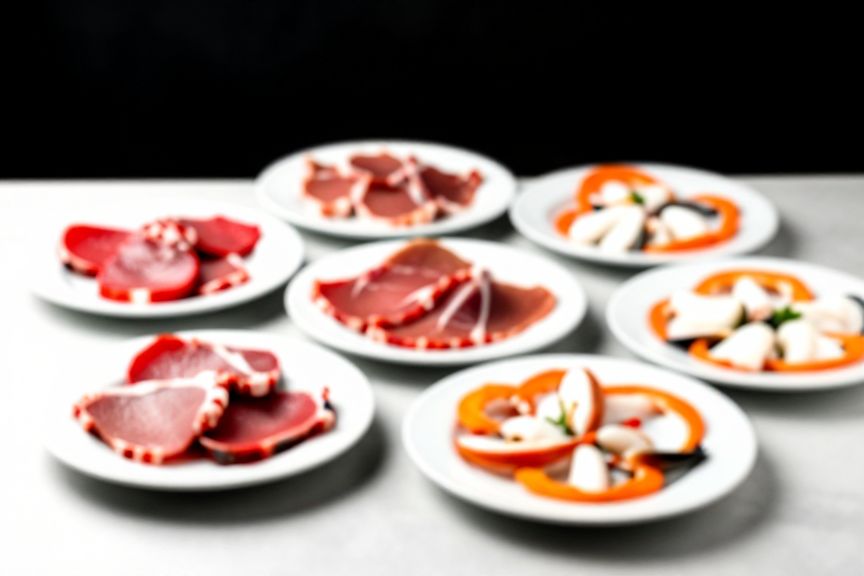
If you’re trying to eat well without giving up flavor, healthy meat and seafood choices can make that easy. Lean proteins, smart cooking methods, and fresh herbs go a long way toward a satisfying meal. You don’t need complicated marinades or fancy tools—just a few basics and a plan. This guide keeps it simple, with practical tips, a flexible recipe, and easy swaps. Whether you cook for one or a family, you’ll find options that fit your routine and taste.
What Makes This Special
Healthy meat & seafood options – Healthy Meat & Seafood Options – Simple, Flavorful, and Good for You If you’re trying to eat well wi
This approach focuses on lean cuts, clean seasonings, and quick cooking, so you get great taste without the extra calories. You’ll build flavor using citrus, garlic, olive oil, and fresh herbs—no heavy sauces needed. The recipe works with many proteins, so you can switch between chicken, turkey, salmon, shrimp, or tofu if needed. It’s weeknight-friendly, budget-conscious, and easy to adjust for meal prep or a weekend dinner.
Ingredients
Healthy meat & seafood options – Lean proteins, smart cooking methods, and fresh herbs go a long way toward a satisfying meal
- 1 lb lean protein (choose one: skinless chicken breast, turkey tenderloin, center-cut pork loin, wild salmon fillet, firm white fish like cod or halibut, or large shrimp)
- 2 tbsp extra-virgin olive oil
- 1 lemon (zest and juice)
- 2 cloves garlic, minced
- 1 tsp Dijon mustard
- 1 tsp smoked paprika
- 1/2 tsp ground cumin
- 1/2 tsp black pepper
- 3/4 tsp kosher salt (adjust to taste)
- 1 tbsp fresh herbs, chopped (parsley, dill, cilantro, or thyme)
- Optional: 1 tsp honey or maple syrup (balances acidity for seafood)
- Optional sides: steamed or roasted vegetables, leafy greens, quinoa, brown rice, or cauliflower rice
- Lemon wedges, for serving
Instructions
Healthy meat & seafood options – You don’t need complicated marinades or fancy tools—just a few basics and a plan
- Prep the marinade: In a bowl, mix olive oil, lemon zest and juice, garlic, Dijon, smoked paprika, cumin, pepper, salt, and herbs. For seafood, add the honey if you like a touch of sweetness.
- Choose your protein: Pat dry. For chicken or pork, slice into even portions for faster, even cooking. For fish, keep fillets intact. For shrimp, peel and devein.
- Marinate briefly: Toss the protein in the marinade. Seafood needs 10–15 minutes; poultry and pork can go 20–30 minutes. Don’t over-marinate fish; too much acid can make it mushy.
- Pick your method: Grill, roast, pan-sear, or air-fry—whatever fits your time and tools. Preheat your pan or oven so you get a good sear and even cooking.
- Cook to doneness:
- Chicken breast: 165°F internal, about 6–8 minutes per side on medium heat or 18–22 minutes at 400°F in the oven.
- Turkey tenderloin: 160–165°F internal, 20–25 minutes at 400°F.
- Pork loin (center-cut): 145°F, 20–25 minutes at 400°F; rest 5 minutes.
- Salmon: 125–130°F for medium, 10–12 minutes at 400°F or 3–4 minutes per side on the stove.
- White fish: flakes easily, 8–10 minutes at 400°F.
- Shrimp: pink and firm, 2–3 minutes per side.
- Rest and finish: Let cooked meats rest for a few minutes to keep juices in. Add a squeeze of lemon and a sprinkle of herbs before serving.
- Build the plate: Pair with roasted veggies and a whole grain or leafy salad. Keep portions balanced: half the plate non-starchy veggies, a quarter protein, a quarter whole grains or starchy veg.
Keeping It Fresh
Use fresh proteins when you can, but don’t shy away from frozen fish and shrimp—they’re often frozen at peak quality. Thaw safely in the fridge overnight or in a sealed bag under cool water. Store cooked proteins in airtight containers for up to 3–4 days. Add a fresh squeeze of lemon and a drizzle of olive oil when reheating to bring flavors back to life.
Pro tip: Cook a double batch of protein and mix up the sides through the week—grain bowls one night, tacos another, and a salad on day three. Variety keeps meals interesting without extra work.
Health Benefits
- High-quality protein: Supports muscle repair, steady energy, and satiety. Lean cuts help manage calories and saturated fat.
- Omega-3 fats (salmon and some white fish): Linked with heart and brain health, and may help with inflammation.
- Micronutrients: Seafood often provides iodine and selenium; meats offer iron, zinc, and B vitamins for energy and immunity.
- Balanced plate approach: Pairing protein with fiber-rich vegetables and whole grains supports digestion and blood sugar control.
- Smart fats: Using olive oil and avoiding heavy cream sauces keeps meals lighter and heart-friendly.
What Not to Do
- Don’t overcook: Dry chicken and rubbery shrimp turn a healthy meal into a chore. Use a thermometer and watch the clock.
- Don’t drown in sauce: Heavy cream, butter baths, or sugary glazes add calories fast. Build flavor with herbs, citrus, and spices instead.
- Don’t skip seasoning: Healthy doesn’t mean bland. Salt lightly, then layer with aromatics and acid for brightness.
- Don’t forget food safety: Keep raw and cooked items separate, wash hands and boards, and refrigerate leftovers within two hours.
- Don’t rely only on fried options: Pan-sear, grill, roast, poach, or air-fry for crisp results without excess oil.
Recipe Variations
- Mediterranean Salmon: Add oregano and dill, swap Dijon for a little tahini, and serve with cherry tomatoes, olives, and quinoa.
- Citrus-Garlic Shrimp Tacos: Add orange zest, cumin, and chili powder. Serve in corn tortillas with slaw, avocado, and lime.
- Herb Chicken Cutlets: Pan-sear thin chicken with thyme and parsley. Finish with a splash of lemon and capers.
- Turmeric White Fish: Use turmeric, coriander, and ginger. Roast and serve with cucumber-yogurt sauce and brown rice.
- Pork Loin With Apple Slaw: Rub with smoked paprika and mustard. Roast and slice thin; top with a crunchy apple-cabbage slaw.
- Meal-Prep Bowls: Cook a batch of protein and rotate sides—roasted broccoli, farro, sweet potatoes, or a kale salad with a light vinaigrette.
FAQ
What’s the healthiest meat to choose most often?
Skinless chicken breast, turkey breast, and lean cuts like pork tenderloin are solid everyday choices. They’re high in protein and lower in saturated fat. Rotate with seafood a few times a week for variety and omega-3s.
How often should I eat seafood?
Most guidelines suggest at least two servings per week, especially fatty fish like salmon, sardines, or trout. If you prefer white fish and shrimp, that still counts—just mix in an omega-3–rich option when you can.
Are frozen fish and shrimp as good as fresh?
Often, yes. Many are frozen shortly after harvest, which locks in quality. Thaw properly and pat dry before cooking for the best texture.
How can I keep chicken breast from drying out?
Even thickness, a short marinade, and not overcooking are key. Use a thermometer and pull it at 165°F. Rest for a few minutes and finish with lemon or a light pan sauce.
What oils are best for cooking?
Olive oil works for most methods. For higher heat searing, avocado oil is a good choice. Keep amounts modest—about 1–2 tablespoons for a pound of protein.
Can I make this low-sodium?
Yes. Reduce salt and boost flavor with citrus, vinegar, garlic, pepper, and herbs. A pinch of smoked paprika or a splash of rice vinegar can brighten without extra sodium.
What if I don’t eat meat or seafood?
Use extra-firm tofu or tempeh with the same marinade and methods. Bake, grill, or pan-sear until browned and heated through, then serve with the same sides.
Final Thoughts
Healthy meat and seafood meals don’t have to be complicated. With lean proteins, clean seasonings, and quick techniques, you’ll get food that tastes great and supports your goals. Keep it flexible, switch up the sides, and season with confidence. A few simple habits—like not overcooking and using fresh herbs—make all the difference at the table.
Printable Recipe Card
Want just the essential recipe details without scrolling through the article? Get our printable recipe card with just the ingredients and instructions.