
Healthy Low Calorie Options – Simple, Satisfying, and Flavorful
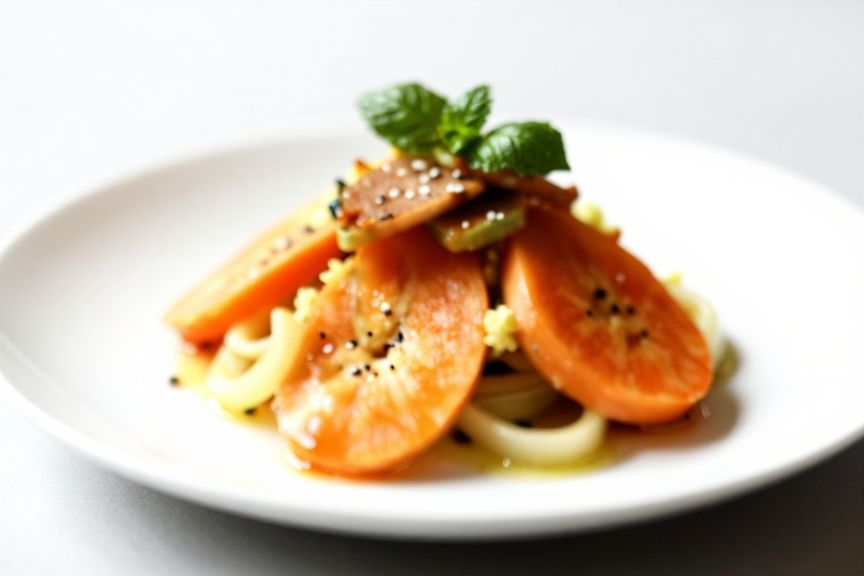
Healthy eating doesn’t have to be bland or complicated. If you’re trying to feel lighter, boost your energy, or support weight goals, low calorie dishes can be a smart and tasty way to get there. These ideas focus on real food, big flavor, and simple prep. You’ll find easy ingredients, quick steps, and plenty of flexibility so you can tailor everything to your taste. Think fresh produce, lean proteins, and smart swaps that keep meals satisfying without the calorie overload.
What Makes This Special
Healthy low calorie options – Healthy Low Calorie Options – Simple, Satisfying, and Flavorful Healthy eating doesn’t have to be bl
This guide focuses on balanced, low calorie meals you can actually enjoy and repeat. The dishes are built around fiber-rich vegetables, lean proteins, and smart fats that keep you full. You’ll also get make-ahead tips and variations so you can adapt to your schedule and cravings. Best of all, the flavors are bright and fresh, not boring or restrictive.
Ingredients
Healthy low calorie options – If you’re trying to feel lighter, boost your energy, or support weight goals, low calorie dishes can
Here’s a flexible shopping list to create a few healthy low calorie options throughout the week. Mix and match to build salads, bowls, wraps, and soups.
- Proteins: Skinless chicken breast or thighs, extra-firm tofu, eggs, canned tuna or salmon, shrimp, plain Greek yogurt (2% or nonfat), canned chickpeas or lentils.
- Vegetables: Leafy greens (spinach, arugula, romaine), cucumbers, tomatoes, bell peppers, carrots, red onion, broccoli, cauliflower, zucchini, mushrooms.
- Fruits: Berries, apples, oranges, grapes, avocado (use modest portions).
- Whole Grains & Starches: Quinoa, brown rice, farro, whole wheat tortillas, sweet potatoes (small), corn.
- Flavor Boosters: Lemon, lime, garlic, fresh herbs (cilantro, parsley, basil), scallions, low-sodium soy sauce or tamari, hot sauce, Dijon mustard, apple cider vinegar, balsamic vinegar.
- Healthy Fats: Olive oil, tahini, nuts and seeds (almonds, walnuts, pumpkin seeds, chia).
- Seasonings: Salt, black pepper, paprika, cumin, chili powder, Italian seasoning, curry powder, smoked paprika.
Instructions
Healthy low calorie options – These ideas focus on real food, big flavor, and simple prep
- Build a Protein Base: Grill or bake chicken with salt, pepper, and paprika; roast tofu cubes with soy sauce and garlic; or boil eggs for quick add-ins. Aim for 3–4 ounces per serving to keep calories in check.
- Prep a Big Veggie Tray: Chop cucumbers, bell peppers, carrots, and red onion. Roast broccoli and cauliflower with a light drizzle of olive oil and spices. Store in clear containers so it’s easy to see and use.
- Cook One Grain: Make a pot of quinoa or brown rice. Stick to 1/2 cup cooked per serving for a satisfying, lower calorie base.
- Make a Light Dressing: Whisk lemon juice, Dijon, minced garlic, a pinch of salt, and 1–2 teaspoons olive oil. Add herbs for extra flavor without extra calories.
- Assemble Meal 1 – Zesty Chicken Veggie Bowl: In a bowl, add greens, 1/2 cup quinoa, sliced chicken, roasted broccoli, chopped tomatoes, and a squeeze of lemon. Drizzle with dressing and sprinkle with herbs.
- Assemble Meal 2 – Spicy Tofu Lettuce Wraps: Toss roasted tofu with a little hot sauce and soy sauce. Spoon into large lettuce leaves with shredded carrots, cucumber, and scallions. Add a tiny dollop of Greek yogurt mixed with lime.
- Assemble Meal 3 – Tuna Greek Yogurt Salad: Mix tuna with Greek yogurt, Dijon, lemon, diced celery, and pepper. Serve over a big bed of greens with cherry tomatoes and cucumbers, or wrap in a whole wheat tortilla.
- Assemble Meal 4 – Chickpea Veggie Soup: Sauté onion, garlic, and carrots with a splash of olive oil. Add chickpeas, diced tomatoes, spices, and low-sodium broth. Simmer 15–20 minutes and finish with spinach and lemon.
- Snack Option – Fruit and Crunch: Keep berries, sliced apples, or oranges on hand. Pair with a small handful of nuts or a tablespoon of peanut butter.
- Finish with Freshness: Add herbs, citrus, and a pinch of salt at the end of cooking. These brighten flavors without a calorie spike.
How to Store
- Refrigerator: Store proteins, grains, and cut vegetables in separate airtight containers for 3–4 days. Assemble bowls and wraps just before eating.
- Dressings: Keep in a jar up to 1 week. Shake before using.
- Soups: Refrigerate 4 days or freeze up to 3 months. Leave a little headspace in containers to prevent overflow.
- Leafy Greens: Wash, dry well, and store with a paper towel to reduce moisture and keep them crisp.
Health Benefits
- Weight-Friendly: Lower calorie meals help maintain a gentle calorie deficit without leaving you hungry.
- High Fiber: Vegetables, fruits, and legumes support digestion, gut health, and steady energy.
- Protein-Rich: Lean proteins and Greek yogurt help preserve muscle and keep you full longer.
- Blood Sugar Support: Balanced plates with fiber and protein help avoid energy crashes.
- Nutrient Dense: Herbs, citrus, and colorful produce bring antioxidants and vitamins with minimal calories.
Pitfalls to Watch Out For
- Hidden Calories in Dressings: Oils and creamy sauces add up fast. Measure rather than pouring by eye.
- Portion Creep: Grains, nuts, and avocado are great, but easy to overdo. Keep portions moderate.
- Low Protein Meals: Skipping protein can leave you hungry. Aim for 20–30 grams per meal when possible.
- Too Little Fat: Cutting fat completely can hurt satisfaction. Use small amounts of olive oil, nuts, or seeds.
- Monotony: Eating the same thing daily can lead to burnout. Rotate spices, sauces, and veggies.
Recipe Variations
- Mediterranean Bowl: Quinoa, cucumbers, tomatoes, olives (a few), grilled chicken or chickpeas, herbs, and a lemon-garlic drizzle.
- Southwest Salad: Romaine, black beans, corn, grilled shrimp, tomatoes, cilantro, lime, and a light Greek yogurt chipotle dressing.
- Asian-Inspired Stir-Fry: Broccoli, mushrooms, snap peas, tofu or chicken, garlic, ginger, low-sodium soy sauce, and a squeeze of lime. Serve over cauliflower rice.
- Warm Grain Veggie Bowl: Farro, roasted cauliflower, mushrooms, baby spinach, soft-boiled egg, and a touch of balsamic.
- Hearty Veg Soup: Tomatoes, zucchini, carrots, lentils, and Italian seasoning. Finish with parsley and lemon zest.
FAQ
How many calories should a “low calorie” meal have?
There’s no single rule, but many people aim for 350–500 calories per meal if they’re trying to lose weight, and 500–650 for maintenance. Your needs vary by height, activity, and goals.
Can I eat carbs and still keep it low calorie?
Yes. Focus on fiber-rich carbs like quinoa, brown rice, beans, and vegetables. Keep portions sensible and pair them with protein and vegetables to stay full.
What are the best low calorie proteins?
Skinless chicken, white fish, shrimp, egg whites or whole eggs in moderation, tofu, nonfat or 2% Greek yogurt, cottage cheese, and legumes like lentils and chickpeas.
How do I make meals more filling without adding many calories?
Add volume with leafy greens, broccoli, cauliflower, mushrooms, zucchini, and tomatoes. Use herbs, spices, vinegar, and citrus to amp up flavor. Include a lean protein and a little healthy fat.
Are low calorie diets safe long-term?
Moderate calorie control using whole foods is generally safe. Extremely low calorie plans can be hard to sustain and may miss key nutrients. If you have medical conditions, talk to a healthcare professional.
Can I meal prep these options?
Absolutely. Cook proteins and grains, chop vegetables, and make a simple dressing. Store components separately, then assemble fresh to keep textures crisp.
What if I’m vegetarian or vegan?
Use tofu, tempeh, edamame, lentils, chickpeas, and beans. Add whole grains and plenty of vegetables. A sprinkle of nuts or seeds can boost satiety and flavor.
Do I need to count calories?
Not necessarily. You can focus on balanced plates, portion awareness, and consistent meals. If you like numbers, track for a week to learn your patterns, then adjust as needed.
Final Thoughts
Healthy low calorie options are about smart choices, not strict rules. Keep protein steady, load up on colorful vegetables, and use bright flavors to make meals exciting. With a little prep and a few go-to sauces, you can eat well all week without feeling deprived. Start simple, stay flexible, and let taste guide you—healthy can be delicious and effortless.
Printable Recipe Card
Want just the essential recipe details without scrolling through the article? Get our printable recipe card with just the ingredients and instructions.